




Can industrial ceiling fans be used in food processing plants?
 Jan 20, 2026|
 As a supplier of industrial ceiling fans, I often encounter inquiries from clients in various industries, including food processing plants. The question of whether industrial ceiling fans can be used in such environments is a crucial one, considering the strict hygiene and safety standards in the food industry. In this blog post, I will explore the feasibility and benefits of using industrial ceiling fans in food processing plants, backed by scientific evidence and industry best practices.
Hygiene and Safety Considerations
Food processing plants are subject to rigorous hygiene regulations to ensure the safety and quality of the products. Any equipment used in these facilities must meet strict standards to prevent contamination. Industrial ceiling fans, when properly selected and maintained, can contribute to a clean and safe working environment.
Air Circulation and Ventilation
One of the primary functions of industrial ceiling fans is to improve air circulation and ventilation. In food processing plants, proper ventilation is essential to remove heat, moisture, and airborne contaminants. Stagnant air can lead to the growth of mold, bacteria, and other pathogens, which can pose a significant risk to food safety.
Industrial ceiling fans can help to create a continuous flow of air, reducing the buildup of heat and humidity. This not only improves the comfort of the workers but also helps to prevent the growth of microorganisms. By promoting air exchange, the fans can also remove odors and fumes, creating a more pleasant working environment.
Dust and Debris Control
Another important consideration in food processing plants is the control of dust and debris. Industrial ceiling fans can help to minimize the accumulation of dust on surfaces by keeping the air in motion. This reduces the risk of dust particles settling on food products or equipment, which can lead to contamination.
In addition, some industrial ceiling fans are equipped with features such as air filters or electrostatic precipitators, which can further enhance dust and debris control. These features can help to remove fine particles from the air, improving the overall air quality in the facility.
Compliance with Regulations
Food processing plants are required to comply with a variety of regulations and standards, including those related to food safety and hygiene. Using industrial ceiling fans that meet these requirements can help to ensure compliance and avoid potential fines or penalties.
When selecting industrial ceiling fans for food processing plants, it is important to choose models that are made from materials that are resistant to corrosion and easy to clean. The fans should also be designed to prevent the accumulation of dust and debris, and they should be equipped with features such as sealed motors and bearings to prevent the entry of contaminants.
Benefits of Using Industrial Ceiling Fans in Food Processing Plants
In addition to the hygiene and safety benefits, there are several other advantages to using industrial ceiling fans in food processing plants.
Energy Efficiency
Industrial ceiling fans are a cost-effective way to improve air circulation and ventilation in large spaces. Compared to traditional HVAC systems, which can be expensive to operate and maintain, industrial ceiling fans consume significantly less energy.
By using industrial ceiling fans in conjunction with HVAC systems, food processing plants can reduce their energy consumption and lower their operating costs. The fans can help to distribute the conditioned air more evenly, reducing the load on the HVAC system and improving its efficiency.
Improved Worker Comfort
Working in a food processing plant can be physically demanding, especially in hot and humid environments. Industrial ceiling fans can help to improve the comfort of the workers by creating a cooling effect through air movement.
This can reduce the risk of heat-related illnesses and improve productivity. By keeping the workers comfortable, the fans can also help to reduce absenteeism and turnover, which can have a positive impact on the bottom line of the business.
Enhanced Product Quality
Proper air circulation and ventilation are essential for maintaining the quality of food products. Industrial ceiling fans can help to prevent the growth of mold and bacteria, which can cause spoilage and reduce the shelf life of the products.
By promoting air exchange, the fans can also help to remove odors and fumes, which can affect the taste and aroma of the food. This can improve the overall quality of the products and increase customer satisfaction.
Case Studies
To illustrate the benefits of using industrial ceiling fans in food processing plants, let's take a look at a few case studies.

Case Study 1: A Bakery
A bakery was experiencing problems with high humidity and mold growth in its production area. The bakery installed industrial ceiling fans to improve air circulation and ventilation. The fans helped to reduce the humidity levels and prevent the growth of mold, improving the quality of the baked goods and reducing the risk of spoilage.
In addition, the fans helped to improve the comfort of the workers, reducing the risk of heat-related illnesses and improving productivity. The bakery was able to achieve significant energy savings by using the fans in conjunction with its HVAC system.
Case Study 2: A Meat Processing Plant
A meat processing plant was struggling with dust and debris control in its production area. The plant installed industrial ceiling fans equipped with air filters to remove fine particles from the air. The fans helped to reduce the accumulation of dust on surfaces, improving the hygiene of the facility and reducing the risk of contamination.
In addition, the fans helped to improve the comfort of the workers by creating a cooling effect through air movement. The plant was able to achieve significant cost savings by reducing the frequency of cleaning and maintenance, as well as by improving the efficiency of its HVAC system.
Case Study 3: A Dairy Farm
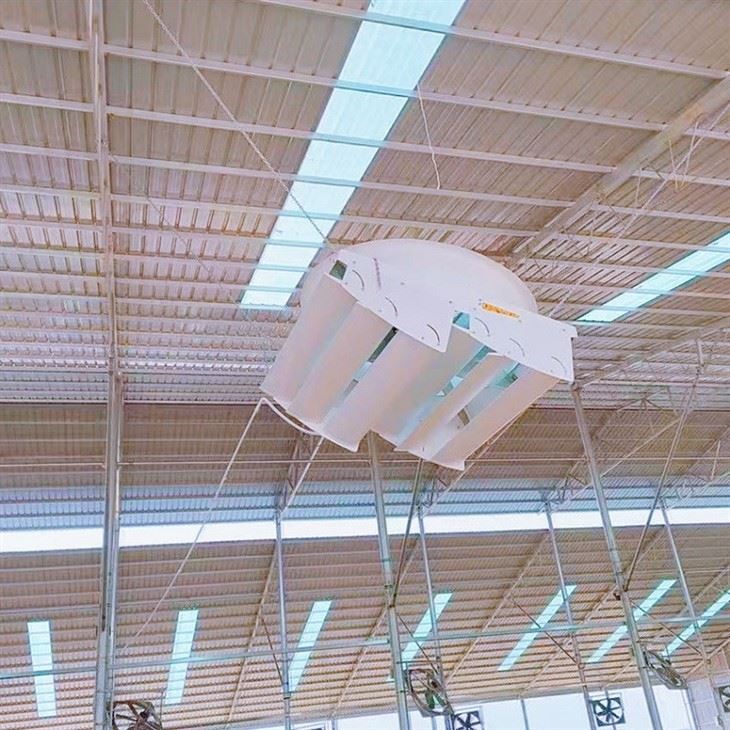
A dairy farm was experiencing problems with poor air quality and high ammonia levels in its milking parlor. The farm installed 860w Usage Dairy Farm Ventilation Machine to improve air circulation and ventilation. The fans helped to remove the ammonia and other odors from the air, creating a more pleasant working environment for the cows and the workers.
In addition, the fans helped to reduce the humidity levels and prevent the growth of mold and bacteria, improving the health and well-being of the cows. The farm was able to achieve significant improvements in milk production and quality by using the fans.
Conclusion
In conclusion, industrial ceiling fans can be a valuable addition to food processing plants. By improving air circulation and ventilation, controlling dust and debris, and promoting a clean and safe working environment, these fans can help to ensure compliance with regulations, improve product quality, and enhance worker comfort.
If you are a food processing plant owner or manager, I encourage you to consider using industrial ceiling fans in your facility. Our company offers a wide range of industrial ceiling fans that are designed to meet the specific needs of the food industry. We can help you to select the right fans for your application and provide you with professional installation and maintenance services.
To learn more about our industrial ceiling fans and how they can benefit your food processing plant, please contact us today. We look forward to working with you to improve the safety, efficiency, and productivity of your facility.
References
- Food and Drug Administration (FDA). (2019). Food Safety Modernization Act (FSMA). Retrieved from [URL]
- Occupational Safety and Health Administration (OSHA). (2019). General Industry Standards. Retrieved from [URL]
- American Society of Heating, Refrigerating and Air-Conditioning Engineers (ASHRAE). (2019). ASHRAE Handbook - Fundamentals. Retrieved from [URL]