




How to measure the water level in a water trough?
 Jan 02, 2026|
Hey there! As a water trough supplier, I often get asked about how to measure the water level in a water trough. It might sound like a simple task, but there are actually quite a few ways to do it, each with its own pros and cons. In this blog, I'll walk you through different methods and share some tips to help you choose the best one for your needs.

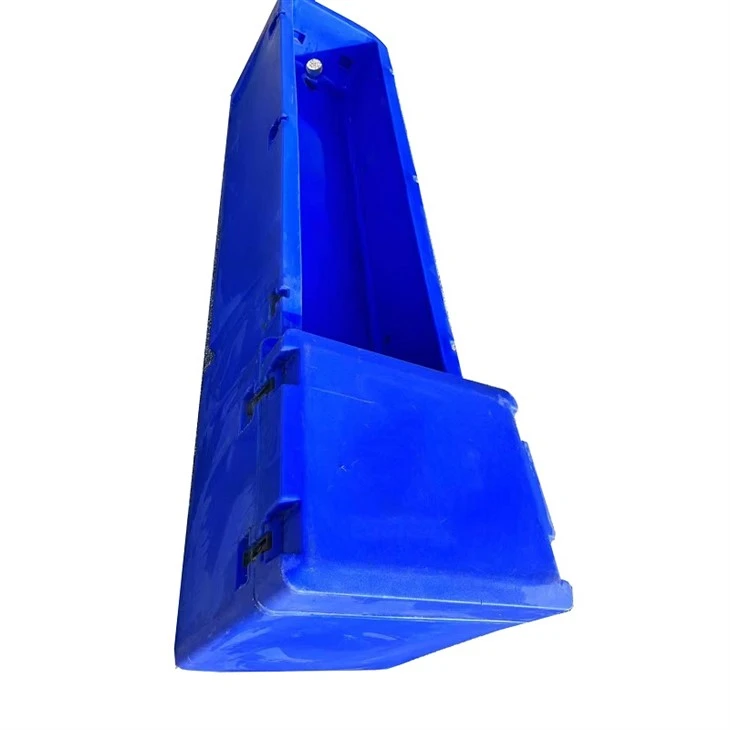
First off, why is it important to measure the water level in a water trough? Well, for starters, it helps you keep track of your water usage. If you're using the water trough for livestock, you want to make sure there's always enough water available for them. Measuring the water level also helps you detect leaks early on. If the water level drops faster than usual, it could be a sign that there's a leak somewhere in the trough.
Let's start with the most basic method: the visual inspection. This is probably the simplest way to measure the water level in a water trough. All you need to do is take a look at the trough and see how high the water is. You can even mark the side of the trough with a permanent marker to get a rough estimate of the water level. This method is great for small water troughs or if you just need a quick check. However, it's not very accurate, especially if the trough is large or has an irregular shape.
Another common method is using a dipstick. A dipstick is a long, thin rod with markings on it. You simply lower the dipstick into the water until it touches the bottom of the trough, then pull it out and read the markings to determine the water level. Dipsticks are relatively inexpensive and easy to use, making them a popular choice for many farmers and ranchers. However, they can be difficult to use in deep or narrow troughs, and they may not be very accurate if the water is dirty or turbulent.
If you're looking for a more accurate and automated way to measure the water level in a water trough, you might want to consider using a float switch. A float switch is a device that uses a floating ball to detect the water level. When the water level rises or falls, the float moves up or down, which activates a switch. The switch can be connected to a pump or an alarm system to automatically turn on the water supply or alert you when the water level gets too low. Float switches are very reliable and accurate, but they can be more expensive than other methods.
Ultrasonic sensors are another high-tech option for measuring the water level in a water trough. These sensors use sound waves to measure the distance between the sensor and the water surface. They're very accurate and can be used in a variety of trough sizes and shapes. Ultrasonic sensors are also non-contact, which means they don't come into direct contact with the water, making them ideal for use in dirty or corrosive environments. However, they can be quite expensive and may require some technical knowledge to install and operate.
Now that you know about the different methods for measuring the water level in a water trough, how do you choose the right one for your needs? Well, it depends on a few factors, such as the size and shape of the trough, the accuracy you need, and your budget. If you have a small trough and just need a rough estimate of the water level, a visual inspection or a dipstick might be sufficient. If you need a more accurate measurement or want to automate the process, a float switch or an ultrasonic sensor might be a better choice.
At our company, we offer a wide range of water troughs to meet your needs. Whether you're looking for a small trough for your backyard or a large trough for your farm, we have you covered. For example, our 2.25M - 3 Holes Antifreeze - proof Water Trough is great for cold climates, as it's designed to prevent freezing. And if you need a larger water storage solution, our 4 - meter PE Drinking Water Tank and 2.3 - meter PE Drinking Water Tank are both durable and reliable.
Once you've chosen the right water trough for your needs, it's important to install and maintain it properly. Make sure the trough is installed on a level surface and that it's securely anchored to prevent it from tipping over. Regularly clean the trough to prevent the growth of algae and bacteria, and check for leaks or damage on a regular basis.
In conclusion, measuring the water level in a water trough is an important task that can help you manage your water usage and ensure the well - being of your livestock. There are several methods available, from simple visual inspections to high - tech ultrasonic sensors. By choosing the right method for your needs and maintaining your water trough properly, you can ensure that it provides a reliable source of water for years to come.
If you're interested in purchasing one of our water troughs or have any questions about measuring water levels, feel free to reach out to us. We're here to help you find the perfect solution for your water storage needs.
References
- "Water Troughs: A Guide for Farmers and Ranchers", Agricultural Extension Service
- "Advanced Water Level Measurement Technologies", Journal of Water Management