




Is a cow headlock more about strength or technique?
 Oct 29, 2025|
 Hey there! As a supplier of cow headlocks, I've been in the thick of discussions about what really makes a cow headlock effective. Is it all about raw strength, or does technique play a more significant role? Let's dive right in and explore this topic.
First off, let's understand what a cow headlock is. A cow headlock is a crucial tool in the livestock industry. It's used to safely and humanely restrain cows during various procedures like veterinary treatments, milking, or general inspections. There are different types of cow headlocks available in the market, such as the Cow Neck Clamp, Slash Bar Neck Clamps, and Cow Headlocks. Each type has its own unique features and functions, but they all serve the same basic purpose of keeping cows in place.
Now, let's talk about strength. Strength is definitely an important factor when it comes to cow headlocks. Cows are large and powerful animals, and a headlock needs to be strong enough to withstand their movements and resist any attempts to break free. A weak headlock won't be able to hold a cow securely, which can lead to dangerous situations for both the cow and the handlers.
The materials used in the construction of a cow headlock play a big role in determining its strength. High - quality metals like stainless steel or heavy - duty galvanized steel are commonly used because they are durable and can handle the stress put on them by a cow's movements. For example, a headlock made of thin or low - grade metal might bend or break under the pressure, rendering it useless.
But here's the thing: strength alone isn't enough. You could have the strongest headlock in the world, but if it's not used correctly, it won't be effective. That's where technique comes in.
Technique involves how the headlock is designed, installed, and used. A well - designed headlock takes into account the anatomy and behavior of cows. It should be adjustable to fit different sizes of cows, from calves to full - grown adults. For instance, the spacing between the bars of the headlock needs to be just right. If it's too wide, the cow might be able to slip its head out; if it's too narrow, it could cause discomfort or injury to the cow.
Installation is also a key part of the technique. A headlock needs to be installed at the right height and angle. If it's installed too high or too low, the cow won't be able to position its head properly in the headlock, making it difficult to lock it in place. And the way handlers use the headlock is equally important. They need to know how to guide the cow's head into the headlock smoothly and how to engage the locking mechanism correctly.
Let's take a look at some real - life scenarios to see the importance of both strength and technique. Imagine a large dairy farm where cows are milked multiple times a day. The headlocks in the milking parlor need to be strong enough to hold the cows still during the milking process. But the farm workers also need to know how to use the headlocks efficiently. They need to be able to quickly and safely lock the cows in and release them when the milking is done. If they don't have the right technique, it can slow down the milking process and cause stress to the cows.
On the other hand, in a veterinary setting, a cow might be more agitated and resistant. A strong headlock is essential to keep the cow from thrashing around and potentially hurting itself or the vet. But the vet also needs to use the right technique to calm the cow and guide its head into the headlock. This might involve using gentle handling methods and taking the time to build trust with the cow.
Another aspect to consider is the long - term durability and functionality of the headlock. A headlock that is well - designed and installed using proper techniques will last longer and require less maintenance. This saves money in the long run for the farmers or livestock owners.
In addition, the comfort of the cow is an important factor. A headlock that is designed with good technique will minimize the discomfort to the cow. This is not only important for the well - being of the animal but also for its productivity. A stressed or uncomfortable cow is likely to produce less milk and may be more prone to health problems.

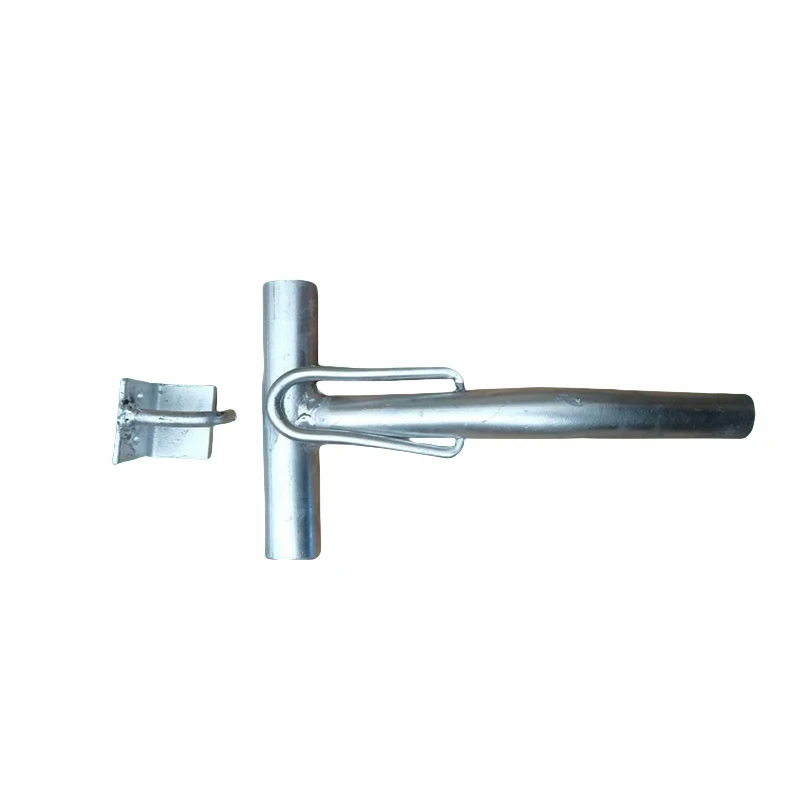
So, to answer the question of whether a cow headlock is more about strength or technique, the truth is that they are both equally important. Strength provides the foundation, ensuring that the headlock can physically hold the cow. But technique is what makes the headlock work effectively and safely.
As a supplier, I've seen firsthand the difference that a combination of strength and technique can make. We always strive to provide our customers with headlocks that are not only strong but also well - designed and easy to use. Our Cow Neck Clamp is a great example. It's made of high - quality materials for strength, and its design is based on years of research into cow behavior and anatomy.
If you're in the livestock industry and are looking for reliable cow headlocks, we'd love to talk to you. Whether you're a small - scale farmer or a large - scale commercial operation, we have the products and expertise to meet your needs. Don't hesitate to reach out to us for more information and to start a discussion about your specific requirements.
In conclusion, when it comes to cow headlocks, strength and technique go hand in hand. You can't have one without the other if you want to ensure the safety and efficiency of your livestock handling operations. So, make sure you choose a headlock that offers both, and use it with the right techniques.
References
- Livestock Handling and Welfare Manual
- Dairy Cattle Management Best Practices Guide