




What are the offensive strategies when using the Neck Clip headlock?
 Jul 07, 2025|
As a supplier specializing in Neck Clip headlocks, I've witnessed firsthand the importance of understanding offensive strategies when using these essential tools. Whether you're a farmer managing livestock or an individual involved in animal handling, knowing how to leverage the Neck Clip headlock effectively can significantly enhance your operations. In this blog, I'll delve into the offensive strategies associated with the Neck Clip headlock, providing valuable insights that can help you make the most of this equipment.
Understanding the Neck Clip Headlock
Before we explore offensive strategies, it's crucial to have a solid understanding of what the Neck Clip headlock is and how it functions. The Neck Clip headlock is a device designed to securely hold an animal's head in place, typically used in livestock handling facilities such as barns and milking parlors. It consists of a frame with a moveable rod that can be adjusted to fit the size of the animal's neck. When activated, the headlock closes around the animal's neck, preventing it from moving its head freely.
The Neck Clip headlock offers several benefits, including improved safety for both the animal and the handler. By immobilizing the animal's head, it reduces the risk of injury during procedures such as vaccinations, hoof trimming, and milking. Additionally, it allows for more efficient handling, as the handler can focus on the task at hand without having to worry about the animal's movements.
Offensive Strategies When Using the Neck Clip Headlock
1. Proper Positioning
One of the most important offensive strategies when using the Neck Clip headlock is proper positioning. Before attempting to lock the animal's head, ensure that the headlock is positioned correctly. The headlock should be adjusted to fit the size of the animal's neck, with the moveable rod placed at the appropriate height. This will ensure a secure and comfortable fit, reducing the risk of injury to the animal.
When positioning the animal, guide it gently towards the headlock, making sure its head is centered between the two sides of the frame. Once the animal's head is in position, activate the headlock by closing the moveable rod. Be careful not to apply too much pressure, as this can cause discomfort or injury to the animal.

2. Timing and Coordination
Timing and coordination are key when using the Neck Clip headlock. It's important to wait for the right moment to activate the headlock, ensuring that the animal is calm and relaxed. If the animal is agitated or restless, it may be more difficult to lock its head securely.
To improve timing and coordination, work with a partner if possible. One person can guide the animal towards the headlock while the other activates the headlock at the appropriate time. This can help ensure a smooth and efficient process, reducing the stress on the animal.
3. Communication
Effective communication is essential when using the Neck Clip headlock. If you're working with a team, make sure everyone is on the same page and understands their roles and responsibilities. Use clear and concise signals to communicate with your team members, ensuring that the animal is handled safely and efficiently.
When working with the animal, use gentle and reassuring tones to calm it down. Avoid making sudden movements or loud noises, as this can startle the animal and make it more difficult to handle.
4. Training and Familiarization
Training and familiarization are crucial for both the handler and the animal. Before using the Neck Clip headlock, make sure you're familiar with its operation and safety features. Read the manufacturer's instructions carefully and practice using the headlock on a dummy or a non-livestock animal if possible.
For the animal, gradually introduce it to the headlock over time. Start by allowing the animal to approach the headlock and sniff it, then gradually guide its head towards the headlock without activating it. Once the animal is comfortable with the headlock, you can start practicing locking its head.
5. Maintenance and Inspection
Regular maintenance and inspection of the Neck Clip headlock are essential to ensure its proper functioning. Check the headlock regularly for any signs of wear or damage, such as loose bolts, bent rods, or worn-out parts. Replace any damaged parts immediately to prevent accidents or injuries.
Lubricate the moving parts of the headlock regularly to ensure smooth operation. This will help reduce friction and wear, extending the lifespan of the headlock.
Our Neck Clip Headlock Products
At our company, we offer a wide range of Neck Clip headlocks designed to meet the needs of different livestock operations. Our headlocks are made from high-quality materials and are built to last. They feature adjustable moveable rods that can be easily adjusted to fit the size of the animal's neck, ensuring a secure and comfortable fit.
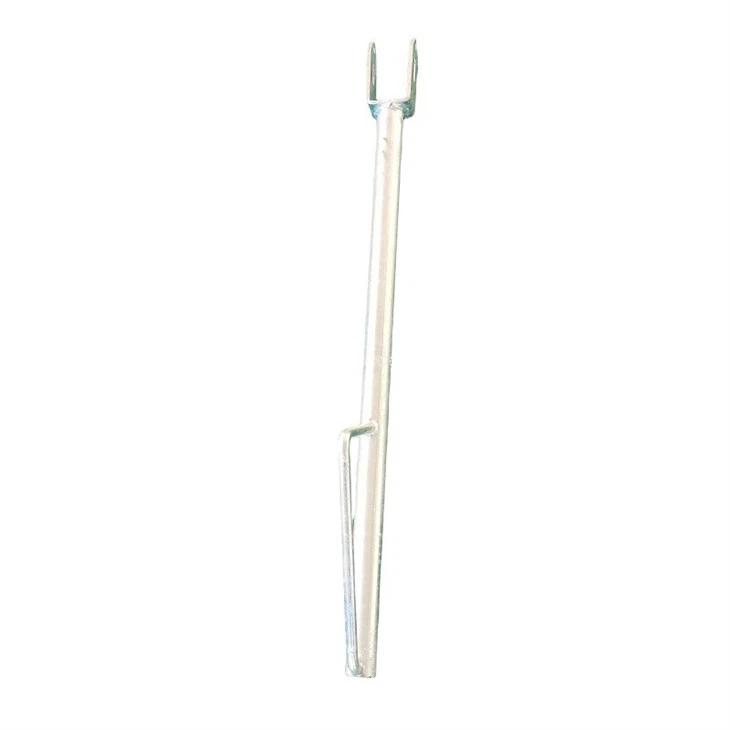
In addition to our standard Neck Clip headlocks, we also offer a variety of accessories and add-ons to enhance their functionality. For example, we offer Supports For Moveable Rod, which provide additional support and stability for the moveable rod. We also offer Moveable Rod1 and Moveable Rod, which are available in different sizes and configurations to meet the specific needs of your operation.
Conclusion
Using the Neck Clip headlock effectively requires a combination of proper positioning, timing and coordination, communication, training and familiarization, and maintenance and inspection. By following these offensive strategies, you can ensure the safety and well-being of both the animal and the handler, while also improving the efficiency of your livestock operations.
If you're interested in learning more about our Neck Clip headlock products or have any questions about using them, please don't hesitate to contact us. We're here to help you find the right solution for your needs and provide you with the support and guidance you need to succeed.
References
- Manufacturer's instructions for Neck Clip headlocks
- Livestock handling best practices guides
- Industry research on animal welfare and handling techniques