




What factors affect the energy production of a wind turbine?
 Jan 14, 2026|
 As a wind turbine supplier, I've witnessed firsthand the intricate balance of factors that influence the energy production of wind turbines. Wind turbines are complex machines designed to convert the kinetic energy of wind into electrical energy. While they hold great promise for sustainable energy, their efficiency and output can be affected by a multitude of elements. In this blog, I'll delve into the primary factors that impact wind turbine energy production.
Wind Speed
Undoubtedly, wind speed is the most crucial determinant of a wind turbine's energy output. The power generated by a wind turbine is proportional to the cube of the wind speed. This means that a small increase in wind speed can lead to a significant boost in energy production. For instance, if the wind speed doubles, the power output increases by a factor of eight.
However, wind speed is not constant. It varies throughout the day, across seasons, and from one location to another. Turbines have a cut-in speed, below which they cannot generate electricity. The ideal wind speed range for most turbines lies between 3 and 25 meters per second. Beyond a certain cut-out speed, usually around 25 meters per second, turbines are shut down to prevent damage from excessive wind forces.
To optimize energy production, wind farms are often located in areas with high average wind speeds, such as coastal regions, hilltops, and open plains. Advanced wind forecasting technologies are also employed to predict wind patterns and adjust turbine operations accordingly.
Wind Direction
Wind direction is equally important as wind speed. Wind turbines are designed to face the wind to capture the maximum amount of energy. Most modern turbines are equipped with a yaw system that automatically rotates the nacelle (the housing at the top of the turbine tower) to align with the wind direction.
However, changes in wind direction can cause turbulence, which can reduce the efficiency of the turbine. Turbulence can also increase wear and tear on the turbine components, leading to higher maintenance costs. Therefore, it's essential to consider the prevailing wind direction when selecting a site for a wind farm and designing the layout of the turbines.
Air Density
Air density, which is influenced by factors such as altitude, temperature, and humidity, also affects the energy production of wind turbines. Higher air density means more mass of air passing through the turbine blades, resulting in greater energy capture.
At higher altitudes, air density decreases, which reduces the power output of the turbine. Similarly, warmer air is less dense than cooler air, so turbines tend to produce more energy in colder climates. Humidity can also have a minor effect on air density, but its impact is generally less significant compared to altitude and temperature.
Turbine Design and Size
The design and size of a wind turbine play a critical role in its energy production. The shape and length of the blades, the type of generator, and the efficiency of the gearbox all contribute to the overall performance of the turbine.
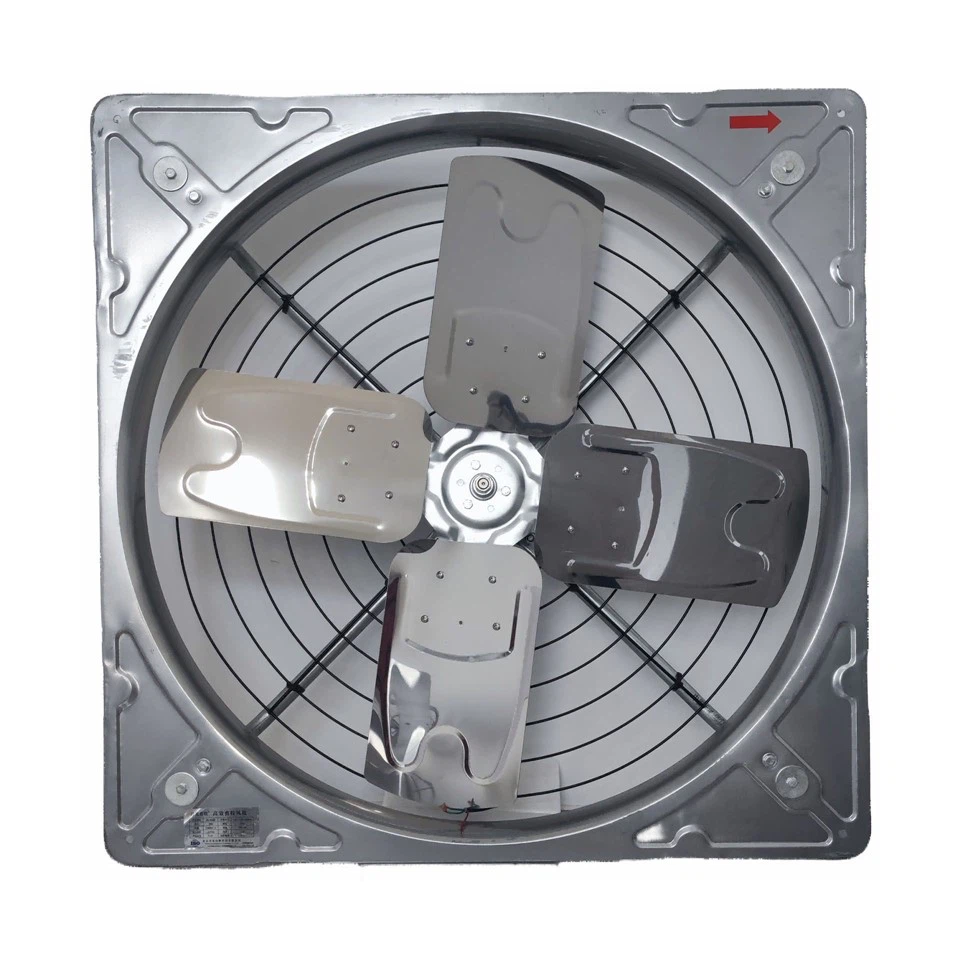

Larger turbines with longer blades can capture more wind energy, as they have a larger swept area. However, larger turbines also require more wind to start rotating and are more expensive to manufacture and install. Therefore, the size of the turbine needs to be carefully selected based on the wind conditions at the site.
The design of the blades is also crucial. Aerodynamically optimized blades can increase the efficiency of the turbine by reducing drag and maximizing lift. Some modern turbines use advanced materials, such as carbon fiber, to make the blades lighter and stronger, further improving their performance.
Maintenance and Condition
Regular maintenance is essential to ensure the optimal performance of wind turbines. Over time, turbine components can wear out or become damaged, which can reduce their efficiency and increase the risk of breakdowns.
Proper maintenance includes tasks such as lubricating moving parts, inspecting blades for damage, and checking the electrical and control systems. By identifying and addressing issues early, operators can minimize downtime and maximize energy production.
In addition to maintenance, the condition of the environment around the turbine can also affect its performance. For example, if the blades become dirty or covered in ice, their aerodynamic properties can be compromised, leading to reduced energy output. Therefore, it's important to keep the turbine and its surroundings clean and free from debris.
Grid Connection and Energy Storage
The grid connection and energy storage capabilities can also impact the energy production of wind turbines. Wind energy is intermittent, meaning it's not always available when needed. Therefore, it's essential to have a reliable grid connection to transmit the electricity generated by the turbines to consumers.
In some cases, energy storage systems, such as batteries or pumped hydro storage, can be used to store excess energy generated during periods of high wind and release it when the wind is not blowing. This can help to balance the supply and demand of electricity and increase the overall efficiency of the wind farm.
Conclusion
In conclusion, the energy production of a wind turbine is influenced by a wide range of factors, including wind speed, wind direction, air density, turbine design and size, maintenance and condition, grid connection, and energy storage. As a wind turbine supplier, we work closely with our customers to understand their specific needs and select the most suitable turbines for their sites.
We also offer a range of ventilation products, such as the Tensioner For Large Fan, 860w Usage Dairy Farm Ventilation Machine, and 410w Ventilation Fan, to ensure optimal performance and efficiency.
If you're interested in learning more about our wind turbines or ventilation products, or if you have any questions or inquiries, please don't hesitate to contact us for procurement and negotiation. We're committed to providing you with the highest quality products and services to meet your energy needs.
References
- Manwell, J. F., McGowan, J. G., & Rogers, A. L. (2010). Wind energy explained: theory, design, and application. John Wiley & Sons.
- Burton, T., Sharpe, D., Jenkins, N., & Bossanyi, E. (2011). Wind energy handbook. John Wiley & Sons.
- Wind Energy Association. (n.d.). Factors Affecting Wind Turbine Performance. Retrieved from [Website URL]