




Can a mat in a passage be used for calves as well?
 Dec 01, 2025|
 As a supplier of Passage Cow Mats, I often receive various inquiries from farmers and livestock owners. One question that frequently comes up is whether a mat in a passage can be used for calves as well. In this blog post, I'll explore this topic in detail, considering the specific needs of calves, the features of passage mats, and the potential benefits and drawbacks of using passage mats for calves.
Understanding the Needs of Calves
Calves are delicate and growing animals that require a suitable environment to thrive. Their physical development, comfort, and overall health are influenced by factors such as bedding, flooring, and space. Unlike adult cows, calves have more sensitive joints and are more prone to slipping and injuries. They need a soft and stable surface to rest on, which helps in proper bone and muscle development. Additionally, a clean and dry environment is crucial to prevent diseases and infections.
Features of Passage Cow Mats
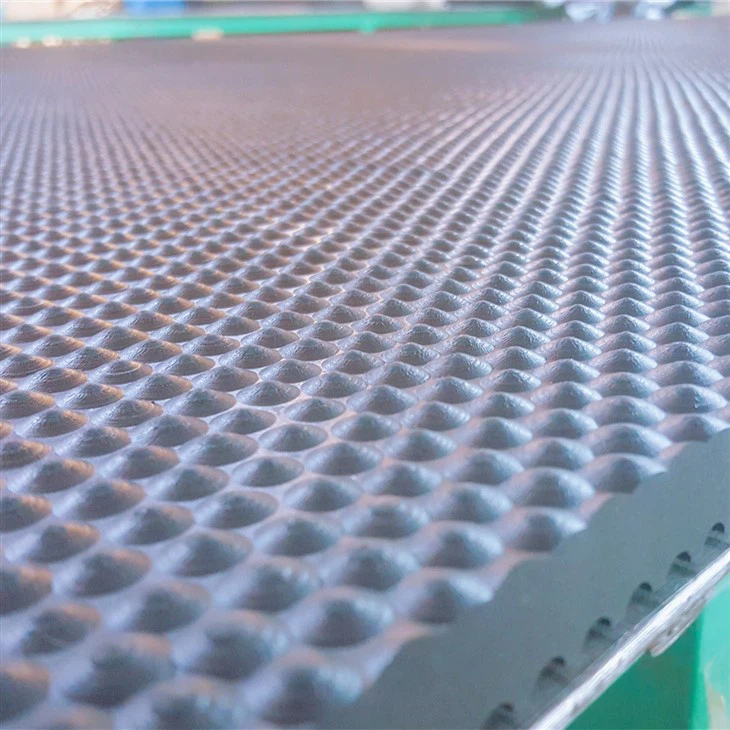
Passage Cow Mats are designed primarily for use in walkways and passages where cows move around. These mats are typically made of rubber or composite materials and have several key features. They are anti - slip, which is essential to prevent cows from slipping and falling while walking. This reduces the risk of injuries such as broken bones and joint problems. Passage mats also provide some level of cushioning, which can be beneficial for cows' hooves and joints during movement. They are durable and can withstand heavy traffic and the weight of large animals.
The Anti Slip Cow Mat is a prime example of a passage mat. It has a specially designed surface texture that provides excellent traction, even when wet. The Cow Bed Rubber Mats are also suitable for passages, offering a combination of comfort and durability. And the Composite Rubber Pad is another option, which combines the advantages of different materials to provide a high - performance mat.
Can Passage Mats Be Used for Calves?
The short answer is yes, passage mats can be used for calves, but with some considerations.

Benefits of Using Passage Mats for Calves
- Anti - slip properties: The anti - slip feature of passage mats is highly beneficial for calves. Calves are still learning to walk and are more likely to lose their balance. A non - slip surface reduces the risk of falls and subsequent injuries. For example, if a calf slips on a hard and smooth floor, it could damage its legs or joints, which can have long - term consequences for its growth and mobility.
- Cushioning: Passage mats provide a certain degree of cushioning, which is good for calves' developing joints. When calves lie down or move around on the mat, the cushioning helps to relieve pressure on their joints and hooves. This can contribute to better overall joint health and prevent the development of joint problems later in life.
- Hygiene: Passage mats can help keep the calves' environment clean. They can trap dirt, manure, and moisture, preventing them from spreading across the floor. This makes it easier to clean the area and maintain a hygienic living space for the calves. A clean environment is essential for preventing diseases such as diarrhea and respiratory infections.
Drawbacks and Considerations
- Size and thickness: Calves are smaller than adult cows, so the size and thickness of the passage mat may need to be adjusted. A mat that is too large or thick may not be suitable for calves. For instance, a very thick mat may be difficult for calves to move around on, especially if they are very young and have limited strength.
- Surface texture: While the anti - slip texture is beneficial, it should not be too rough for calves. A rough surface could potentially irritate the calves' skin, especially if they spend a lot of time lying on the mat. It's important to choose a mat with a smooth enough texture that provides traction without causing discomfort.
- Cost: Using passage mats for calves can add to the overall cost of raising calves. However, when considering the long - term benefits in terms of reduced injuries and better health, the cost may be justified.
How to Use Passage Mats for Calves
If you decide to use passage mats for calves, here are some tips:
- Choose the right mat: Select a mat that is appropriate for the size and age of the calves. Consider the thickness, surface texture, and anti - slip properties. You may want to start with a smaller mat and gradually increase the size as the calves grow.
- Proper installation: Ensure that the mat is properly installed on a flat surface. It should be secured in place to prevent it from moving around, which could pose a tripping hazard for the calves.
- Regular cleaning: Clean the mat regularly to maintain hygiene. Remove any dirt, manure, or debris, and wash the mat with a mild detergent if necessary.
Conclusion
In conclusion, passage mats can be a suitable option for calves, offering several benefits such as anti - slip protection, cushioning, and improved hygiene. However, it's important to consider the specific needs of calves and choose the right mat. By taking the necessary precautions and following the proper guidelines, you can provide a safe and comfortable environment for your calves.
If you're interested in purchasing Passage Cow Mats for your calves or have any questions about our products, we'd love to hear from you. Contact us to start a discussion about your specific requirements and explore how our mats can meet your needs.
References
- "Livestock Housing and Equipment Handbook" by various authors.
- "Calf Rearing Best Practices" published by a leading agricultural research institute.
- Industry reports on the use of rubber mats in livestock farming.