









Composite Rubber Pad
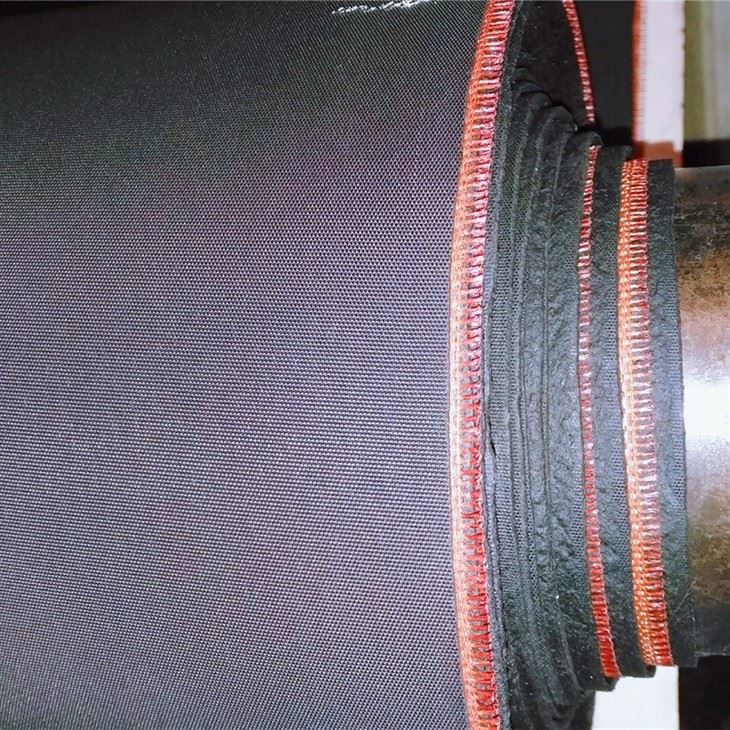
Composite rubber pad is a high-performance elastic material composed of multiple materials, usually rubber as the main body, compounded with other polymers or reinforcing materials. According to different application requirements, composite rubber pads can have various special properties, such as high temperature resistance, corrosion resistance, high elasticity, etc.

- Product Introduction
Composite rubber pad: material characteristics, manufacturing process, and application prospects
1, Definition and Basic Concepts
Composite rubber pad is a high-performance elastic material composed of multiple materials, usually rubber as the main body, compounded with other polymers or reinforcing materials. According to different application requirements, composite rubber pads can have various special properties, such as high temperature resistance, corrosion resistance, high elasticity, etc.
Asbestos rubber composite gasket: The outer layer is made of polytetrafluoroethylene, and the inner layer is made of asbestos rubber sheet or rubber sheet. It can withstand high temperature and high pressure (below 270 ℃), has good elasticity and high strength, and is used for sealing at pipeline flanges and high-pressure vessel flanges.
Railway composite material cushion layer: composed of various materials, it has the advantages of high elasticity, high bearing capacity, wear resistance, corrosion resistance, etc., and also has good sound insulation and vibration reduction performance, which can effectively reduce wheel rail noise and vibration.

Polytetrafluoroethylene lined rubber gasket: a sealing material that combines high sealing resilience and excellent anti-corrosion performance, commonly used in applications that require both elastic sealing and chemical anti-corrosion.
The core value of composite rubber pads lies in achieving comprehensive performance that cannot be achieved by a single material through material combination, and meeting the technical requirements under specific working conditions.
2, Characteristics
Natural rubber is extracted from the latex of rubber trees, mainly composed of isoprene polymer, which has good elasticity, wear resistance, and corrosion resistance, but is sensitive to temperature changes. Synthetic rubber such as styrene butadiene rubber is more uniform and has better wear resistance and aging resistance.
Material characteristics
The key performance characteristics of composite rubber pads include:
Elasticity and shock absorption performance: Based on natural rubber or synthetic rubber, it is endowed with excellent elastic deformation ability, which can effectively absorb and dissipate impact energy
Chemical corrosion resistance: EPDM gaskets have good corrosion resistance to most chemicals and can maintain stability in corrosive environments such as acid, alkali, and salt.

Temperature resistance: High quality composite rubber pads can usually withstand temperature changes between -50 ℃ and 150 ℃, meeting the requirements of different working conditions.
Sealing performance: It has elasticity and compressibility, and can tightly adhere to the sealing surface to prevent gas and liquid leakage. PTFE/EPDM composite gaskets can reduce gasket cold flow and increase blow out resistance through special design.
3, Manufacturing Process and Technology
The manufacturing process of composite rubber pads is diverse, and different methods can be selected according to product performance requirements and production scale:
Main production processes
Conventional Compression Molding
Process steps: Pre treated rubber material is placed in the mold cavity, the mold is closed, and hydraulic pressure vulcanization is carried out
Advantages: intuitive process, economical mold cost, suitable for small and medium-sized production
Limitations: Low production efficiency, significant material loss, and limited precision of finished products
Applicable fields: large rubber parts (sealing gaskets, cushioning pads) and rubber components with simple structures
Transfer Molding
Process steps: The rubber material is placed in the transfer chamber, pressurized and squeezed into the mold cavity through a plunger or piston, and then vulcanized
Advantages: Improve the flowability of the rubber material, enhance the density and surface quality of the product, and reduce the risk of bubbles
Limitations: The mold structure is complex and the cost is high; The process requires the rubber material to have a specific viscosity
Applicable fields: Small rubber parts with complex structures (O-rings, seals)
Injection Molding
Process steps: After preheating the rubber material, it is injected into the closed mold cavity through a nozzle for vulcanization
Advantages: Efficient production, suitable for large-scale manufacturing; High precision and stable quality of the product
Limitations: Large investment in equipment and molds; Accurate control of injection parameters is required
Applicable fields: rubber products with complex shapes, high precision, and large quantities
Special composite process
The key to the manufacturing process of PTFE composite gaskets lies in the adhesion between EPDM rubber and PTFE surface. Poor adhesion can lead to problems such as bubbles and gaps in the bonding surface. At present, most of these gaskets on the market have black edges, protrusions, and the surface of the PTFE film may curl after a period of use.
An advanced manufacturing process uses epoxidized natural rubber, EPDM rubber and other rubbers to compound with nano zinc oxide, sodium stearate and other additives. Through ultrasonic cleaning, high-pressure washing, air drying, mixer melting and other steps, products with good toughness, high strength and excellent anti-aging performance are finally obtained.

4, Application Fields and Typical Cases
Main application areas
Composite rubber pads are widely used in multiple fields due to their excellent performance:
Industrial shock absorption and protection
In scenarios such as CNC machine tools, stamping equipment, and automated production lines, rubber pads absorb equipment vibration energy and convert mechanical impact force into thermal energy for dissipation. Practical data shows that after installing customized rubber pads on the base of the die-casting machine, the vibration amplitude of the equipment can be reduced by 62%, and the service life of the mold can be extended by 40%.
In the petrochemical industry, fluororubber and nitrile rubber composite materials are used as pads, which can resist temperature changes from -30 ℃ to 150 ℃ and withstand corrosion from acid, alkali and salt solutions. The application of a coastal refining project shows that this type of cushion block has been working continuously for 5 years in a seawater corrosive environment without cracking or aging.


Company Introduction
Hebei Junguang Animal Husbandry Technology Co., Ltd. is a high-tech enterprise specializing in modern pasture design, construction, production and sales of livestock breeding equipment. The company is located in Yi County Economic Development Zone, production workshop 9000 square meters, office complex building and ancillary facilities 3500 square meters. The company specializes in R & D, production of ranch supporting facilities and equipment. Product varieties cover the feeding class, environmental cooling class, manure treatment class, and other special equipment for the pasture, the company's products with cost-effective, good quality advantages to obtain the consistent praise and trust of the pasture.


Hot Tags: composite rubber pad, China composite rubber pad manufacturers, suppliers, factory, hygienic cow mat, recyclable cow mat, commercial cow mat, easy clean cow mat, dairy cow mat, dimpled cow mat


