




Can a ventilation fan be used in a greenhouse?
 Dec 23, 2025|
 Can a ventilation fan be used in a greenhouse? This is a question that many greenhouse owners and operators often ask. As a ventilation fan supplier, I have had the opportunity to work with numerous greenhouse projects, and I can confidently say that ventilation fans are not only suitable for greenhouses but also essential for maintaining a healthy and productive growing environment.
The Importance of Ventilation in Greenhouses
Greenhouses are designed to create a controlled environment for plant growth. However, without proper ventilation, several problems can arise. Firstly, temperature control becomes a challenge. During the day, especially in sunny conditions, the temperature inside a greenhouse can rise rapidly, potentially exceeding the optimal range for plant growth. High temperatures can cause stress to plants, leading to reduced photosynthesis, wilting, and even death in extreme cases. On the other hand, at night, the lack of ventilation can result in excessive heat loss, which may also harm the plants.
Secondly, humidity management is crucial. Plants transpire, releasing water vapor into the air. Without adequate ventilation, the humidity levels inside the greenhouse can become too high. High humidity creates a favorable environment for the growth of fungi and diseases, such as powdery mildew and botrytis. These diseases can spread quickly and cause significant damage to the crops.
In addition, ventilation helps to replenish the carbon dioxide (CO2) levels inside the greenhouse. Plants need CO2 for photosynthesis, and as they consume it during the day, the levels can drop. By bringing in fresh air from outside, ventilation fans ensure that there is a continuous supply of CO2 for the plants to thrive.
How Ventilation Fans Work in Greenhouses
Ventilation fans work by creating air movement inside the greenhouse. They can be installed in different configurations depending on the size and design of the greenhouse. There are two main types of ventilation systems commonly used in greenhouses: natural ventilation and mechanical ventilation.
Natural ventilation relies on the principles of buoyancy and wind pressure. It involves the use of vents, such as ridge vents and side vents, to allow hot air to rise and escape while fresh air enters from the sides. However, natural ventilation has its limitations, especially in areas with low wind speeds or during periods of high heat. This is where mechanical ventilation, using ventilation fans, comes in.
Mechanical ventilation fans can be used to supplement or replace natural ventilation. They can be installed on the sidewalls or end walls of the greenhouse to draw in fresh air from outside and expel the hot, stale air. Some fans are designed to operate continuously, while others can be controlled by thermostats or humidity sensors to turn on and off as needed.
There are different types of ventilation fans available for greenhouses, each with its own features and benefits. For example, the 2.2kw Fan Motor is a powerful option that can provide high airflow rates, making it suitable for large greenhouses. It is designed to be energy-efficient and durable, ensuring long-term performance.
The Air Exchange Ventilation Fan is another popular choice. It is specifically designed to provide efficient air exchange, removing the hot and humid air from the greenhouse and replacing it with fresh, cool air. This type of fan is often used in combination with other ventilation components, such as louvers and ductwork, to optimize the ventilation system.
The 860 Type Livestock Fan can also be used in greenhouses. Although it is originally designed for livestock facilities, its high airflow capacity and durability make it suitable for large greenhouses. It can be used to create a cross-ventilation effect, improving the overall air circulation inside the greenhouse.
Benefits of Using Ventilation Fans in Greenhouses
Using ventilation fans in greenhouses offers several benefits. Firstly, they provide better control over the temperature and humidity levels inside the greenhouse. By adjusting the speed and operation of the fans, growers can maintain the optimal growing conditions for their crops throughout the year. This leads to healthier plants, higher yields, and better-quality produce.
Secondly, ventilation fans can help to reduce the risk of diseases. By keeping the air moving and the humidity levels in check, they create an environment that is less favorable for the growth of fungi and bacteria. This can save growers a significant amount of money on disease control measures, such as pesticides and fungicides.
In addition, ventilation fans can improve the energy efficiency of the greenhouse. By removing the hot air and replacing it with cooler air, they reduce the need for excessive heating or cooling systems. This can result in lower energy costs and a more sustainable operation.
Considerations When Choosing Ventilation Fans for Greenhouses
When choosing ventilation fans for a greenhouse, there are several factors to consider. Firstly, the size of the greenhouse is an important consideration. Larger greenhouses will require more powerful fans or a greater number of fans to ensure adequate air circulation. The type of crops being grown also matters. Some crops may have specific temperature and humidity requirements, and the ventilation system should be designed to meet these needs.
The location of the greenhouse is another factor. If the greenhouse is located in an area with high wind speeds, natural ventilation may be more effective, and the fans can be used as a backup. On the other hand, if the area has low wind speeds or is prone to high heat, mechanical ventilation using fans will be more necessary.
The energy efficiency of the fans is also important. Look for fans that are designed to consume less energy while still providing high airflow rates. This will not only save on energy costs but also reduce the environmental impact.
Finally, the durability and reliability of the fans are crucial. Greenhouses are often harsh environments, with high humidity and temperature fluctuations. The fans should be able to withstand these conditions and operate reliably for a long time.
Conclusion
In conclusion, ventilation fans are an essential component of a greenhouse ventilation system. They play a vital role in maintaining the temperature, humidity, and air quality inside the greenhouse, which are all crucial for the health and productivity of the crops. By choosing the right ventilation fans and installing them correctly, growers can create a more controlled and efficient growing environment.

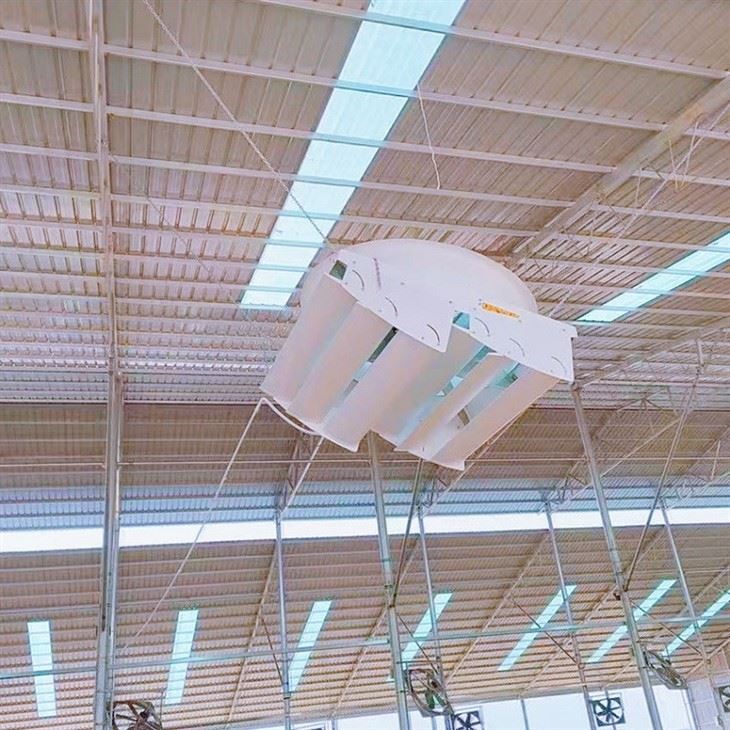
If you are a greenhouse owner or operator and are considering installing ventilation fans, I encourage you to contact us for more information. We are a leading ventilation fan supplier with years of experience in the greenhouse industry. Our team of experts can help you choose the right fans for your specific needs and provide you with professional installation and after-sales service. Let's work together to create a better growing environment for your crops.
References
- Jones, H. G. (2013). Plants and Microclimate: A Quantitative Approach to Environmental Plant Physiology. Cambridge University Press.
- Resh, H. M. (2013). Hydroponic Food Production: A Definitive Guidebook of Soilless Food-Growing Methods. CRC Press.
- Incropera, F. P., & DeWitt, D. P. (2002). Fundamentals of Heat and Mass Transfer. John Wiley & Sons.