




Can a water trough be used for a duck pond?
 Jan 01, 2026|
 Hey there! As a water trough supplier, I often get asked some interesting questions from customers. One that pops up quite a bit is, "Can a water trough be used for a duck pond?" It's a great question, and I'm here to give you the lowdown on the subject.
Advantages of Using a Water Trough as a Duck Pond
First off, let's talk about why using a water trough for a duck pond might be a good idea. One of the biggest perks is convenience. Water troughs are readily available, and if you're already in the market for one, you can easily repurpose it for your feathered friends. They come in various sizes and shapes, so you can choose one that fits your space and the number of ducks you have.
Another advantage is cost - effectiveness. Buying a pre - made duck pond can be pretty expensive, especially if you're looking for a large one. Water troughs, on the other hand, are generally more budget - friendly. You can get a decent - sized trough without breaking the bank.
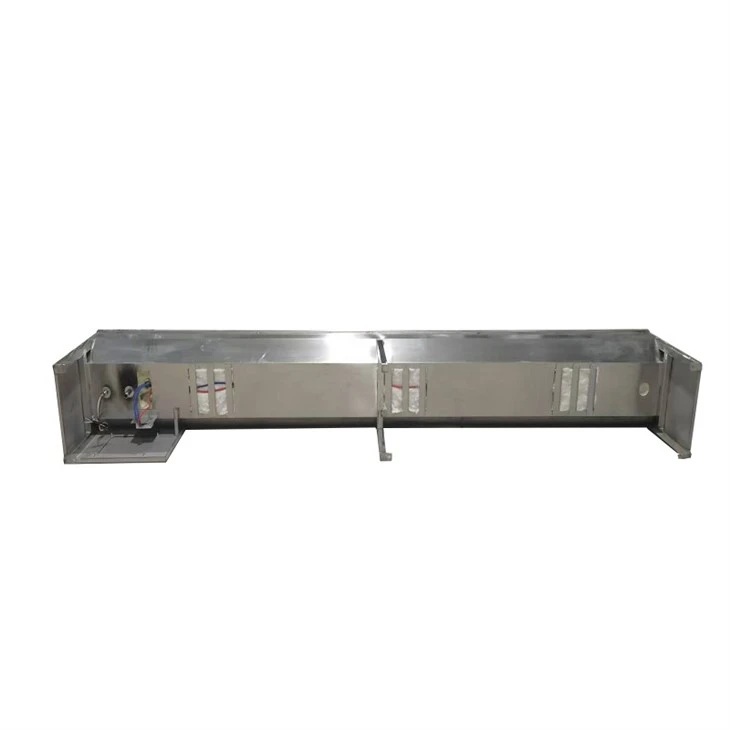
Durability is also a major point. Most water troughs are made from sturdy materials like plastic, fiberglass, or stainless steel. These materials can withstand the elements and the constant activity of ducks swimming around. For instance, our Stainless Steel Electric Heating Water Trough is not only durable but also has a heating feature that can keep the water from freezing in colder months, which is great for ducks that like to take a dip even in winter.
Maintenance is relatively easy too. Water troughs usually have a simple design, making them straightforward to clean. You can easily drain the water, hose it down, and get rid of any debris that the ducks might have left behind.
Considerations Before Using a Water Trough for Ducks
Now, it's not all sunshine and rainbows. There are a few things you need to consider before turning a water trough into a duck pond.
Size matters: Ducks need enough space to swim around, preen their feathers, and just generally have a good time. If the trough is too small, the ducks might get stressed, and it could lead to health problems. A small trough might also get dirty quickly because there's not enough water volume to dilute the waste. For a small flock of ducks, a 2.25M - 3 Holes Antifreeze - proof Water Trough could work, but if you have a larger number of ducks, you'll probably need something bigger like the 4M - 6 Holes Antifreeze - proof Water Trough.
Water quality: Ducks are messy creatures. They like to splash around, and in the process, they'll usually soil the water with feathers, poop, and food. You need to make sure the water in the trough is clean and fresh. This might require more frequent water changes compared to a regular livestock water trough. You might also want to consider adding a filtration system or a water aerator to help keep the water clean and oxygenated.
Access and safety: The ducks need to be able to get in and out of the trough easily. You can add a ramp or some steps if the sides of the trough are too high. Also, make sure the trough is placed in a safe area. It should be away from predators and any potential hazards like sharp objects or chemicals.

Setting Up Your Water Trough Duck Pond
When you're setting up the trough as a duck pond, there are a few steps you can follow.
- Choose the right location: Pick a spot that gets some shade, especially during the hottest part of the day. Ducks can overheat easily, so having some shade will keep them comfortable. Also, make sure the area is level so the trough sits properly.
- Prepare the trough: Clean the trough thoroughly before adding water and ducks. You can use a mild detergent and a scrub brush to get rid of any dirt or residue. Rinse it well to make sure there's no soap left behind.
- Add suitable items: You can add some rocks or logs to the trough. Ducks like to perch on these, and it also gives them a more natural - looking environment. You can also add some aquatic plants, which not only look nice but can also help with water filtration.
- Fill it with water: Use clean, fresh water. If you're using tap water, let it sit for a day or two to allow the chlorine to evaporate.
Monitoring and Maintaining the Duck Pond
Once your water trough is up and running as a duck pond, you need to keep an eye on it. Here are some maintenance tips:
- Regular water checks: Test the water regularly for pH, ammonia, and nitrite levels. You can buy test kits at your local pet store or farm supply store. High levels of ammonia and nitrites can be harmful to ducks.
- Water changes: Depending on the size of the trough and the number of ducks, you might need to change the water every few days. A good rule of thumb is to change about 20 - 30% of the water each time.
- Cleaning: Clean the trough at least once a week. Remove any debris, algae, or waste from the bottom of the trough. If you notice a lot of algae growth, you can add some algae - eating fish or use an algaecide (make sure it's safe for ducks).
Is It Worth It?
So, to answer the question, "Can a water trough be used for a duck pond?" The answer is a resounding yes! With the right considerations and proper maintenance, a water trough can make a great home for your ducks. It offers a convenient, cost - effective, and durable solution for providing your feathered friends with a place to swim and play.
If you're thinking about getting a water trough for your duck pond, we've got you covered. We have a wide range of high - quality water troughs, like the ones I mentioned earlier, that are perfect for this purpose. Whether you have a small backyard flock or a larger farm full of ducks, we can help you find the right trough.
If you're interested in learning more or are ready to make a purchase, don't hesitate to reach out. We're here to assist you with all your water trough needs and can offer advice on setting up and maintaining your duck pond. Let's work together to create a great environment for your ducks!
References
- "Ducks: Their Behavior, Ecology, and Conservation" by Paul A. Johnsgard
- "Keeping Ducks for Eggs and Meat: A Complete Guide" by Dave Holderread