




What are the differences between indoor and outdoor water troughs?
 Aug 06, 2025|
 Hey there! I'm a supplier of water troughs, and today I wanna chat about the differences between indoor and outdoor water troughs. As someone who's been in the business for a while, I've seen firsthand how these two types of water troughs vary in terms of design, functionality, and use.
Design and Construction
Let's start with the design. Outdoor water troughs need to be tough as nails. They're out there in the elements, facing rain, snow, heat, and cold. That's why they're usually made from heavy - duty materials like thick - gauge steel or high - density polyethylene. These materials can withstand the wear and tear of outdoor use, resist rust, and won't crack easily.
For example, our 2.25M - 3 Holes Antifreeze - proof Water Trough is built for the great outdoors. It's made of a special alloy that can handle freezing temperatures without getting damaged. The three - hole design allows multiple animals to drink at once, which is super handy on a farm.
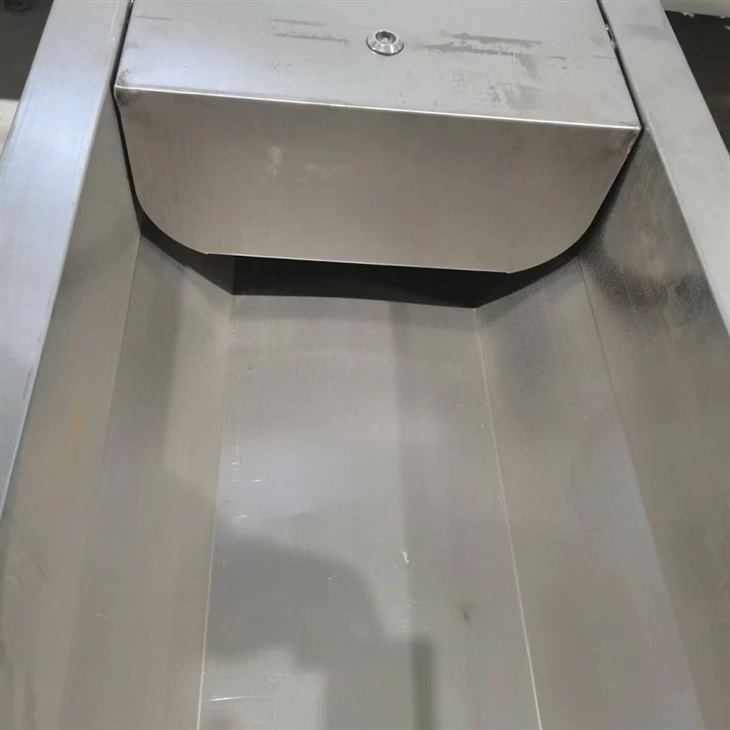

On the other hand, indoor water troughs can be a bit more delicate in design. Since they're protected from the harsh weather, we can use materials like stainless steel or lightweight plastics. Stainless steel is a popular choice because it's easy to clean, looks sleek, and is hygienic. Our Stainless Steel Electric Heating Water Trough is perfect for indoor use. It has a built - in heating element that keeps the water at a constant temperature, which is great for animals in a climate - controlled environment.
Functionality
When it comes to functionality, outdoor and indoor water troughs have different requirements. Outdoor troughs often need to be self - filling. You don't want to be out there every few hours refilling the trough, especially in bad weather. So, many outdoor troughs are connected to a water supply system that automatically refills the trough when the water level goes down.
They also need to be easy to access for animals. In a large outdoor area, animals might be spread out, so the trough should be placed in a visible and accessible location. Some outdoor troughs even have ramps or steps to make it easier for smaller animals to reach the water.
Indoor water troughs, however, are more about maintaining water quality. Since they're in a closed environment, there's a higher risk of bacteria growth. That's why many indoor troughs have filtration systems or are made with materials that resist the growth of algae and bacteria. Our Stainless Steel Electric Heating Water Tank has a built - in filtration system that keeps the water clean and fresh for the animals.
Usage and Maintenance
Outdoor water troughs require more maintenance. You have to regularly check for leaks, especially after a heavy storm. Debris like leaves and twigs can also get into the trough, so you need to clean it out frequently. In the winter, you have to make sure the water doesn't freeze. Some outdoor troughs come with heating elements, but you still need to monitor them.
Indoor water troughs are generally easier to maintain. You don't have to worry about the weather affecting them. But you do need to keep an eye on the water quality. Changing the water regularly and cleaning the trough to prevent the buildup of dirt and bacteria is essential.
Cost Considerations
Cost is another factor to consider. Outdoor water troughs are usually more expensive upfront. The heavy - duty materials and additional features like self - filling systems and anti - freeze protection drive up the cost. But in the long run, they can save you money because they last longer and require less frequent replacement.
Indoor water troughs are often less expensive initially. However, if you opt for high - end features like advanced filtration systems or electric heating, the cost can add up.
Suitability for Different Animals
The type of animals also plays a role in choosing between indoor and outdoor water troughs. For large livestock like cows and horses, outdoor troughs are usually the way to go. They need a large amount of water, and outdoor troughs can hold more water. Plus, these animals are used to being outside and can easily access the troughs.
Smaller animals like rabbits or guinea pigs are often kept indoors. Indoor water troughs are more suitable for them because they can be designed to be at the right height and size for these small critters.
Aesthetics
Aesthetics might not be the first thing that comes to mind when you think about water troughs, but they do matter, especially for indoor use. Indoor water troughs can be a part of the overall decor of a barn or a pet room. Stainless steel troughs give a modern and clean look, while wooden troughs can add a rustic charm.
Outdoor troughs are more about functionality, but there are still some stylish options available. You can choose a trough with a unique shape or color that blends in with the outdoor environment.
In conclusion, whether you need an indoor or outdoor water trough depends on a variety of factors. As a water trough supplier, I'm here to help you make the right choice. If you're still not sure which type of water trough is best for your needs, feel free to reach out. We can have a chat about your specific situation, the animals you have, and your budget.
If you're interested in purchasing a water trough, we'd love to have a discussion with you. Just let us know what you're looking for, and we'll work together to find the perfect solution for you. Don't hesitate to contact us for more information and to start the procurement negotiation process.
References
- "Livestock Watering Systems: A Guide for Farmers", Agricultural Extension Service
- "Materials and Design Considerations for Water Troughs", Journal of Animal Husbandry