




What is the efficiency of a solid liquid separator?
 Jun 19, 2025|
As a supplier of solid liquid separators, I've witnessed firsthand the crucial role these machines play in various industries. Efficiency is often the top concern for our clients, as it directly impacts productivity, cost - effectiveness, and environmental sustainability. In this blog, I'll delve into what efficiency means for a solid liquid separator and how our products stand out in this regard.
Understanding the Concept of Efficiency in Solid Liquid Separators
Efficiency in a solid liquid separator can be measured from multiple perspectives. At its core, it refers to the machine's ability to separate solids from liquids effectively, quickly, and with minimal energy consumption.
The first aspect of efficiency is separation effectiveness. A high - efficiency separator should be able to achieve a high degree of separation between the solid and liquid phases. This means that the separated liquid should have a very low solid content, while the separated solids should be as dry as possible. For example, in the food processing industry, where product purity is of utmost importance, a separator that can remove fine particles from liquids without sacrificing product quality is highly sought after.
Another important factor is the speed of separation. Time is money in many industries, and a separator that can process large volumes of material in a short period is more efficient. This is especially critical in industries such as wastewater treatment, where large amounts of sewage need to be treated daily. A fast - acting separator can reduce the overall processing time and increase the throughput of the treatment plant.
Energy consumption is also a key component of efficiency. An energy - efficient solid liquid separator can significantly reduce operational costs. Modern separators are designed with advanced technologies to minimize power usage while maintaining high - performance separation. For instance, some of our separators use variable frequency drives (VFDs) that adjust the motor speed according to the load, thereby saving energy.
Factors Affecting the Efficiency of Solid Liquid Separators
Screen Design
The design of the screen in a solid liquid separator has a profound impact on its efficiency. Screens come in different lengths and configurations, each suited to specific applications.

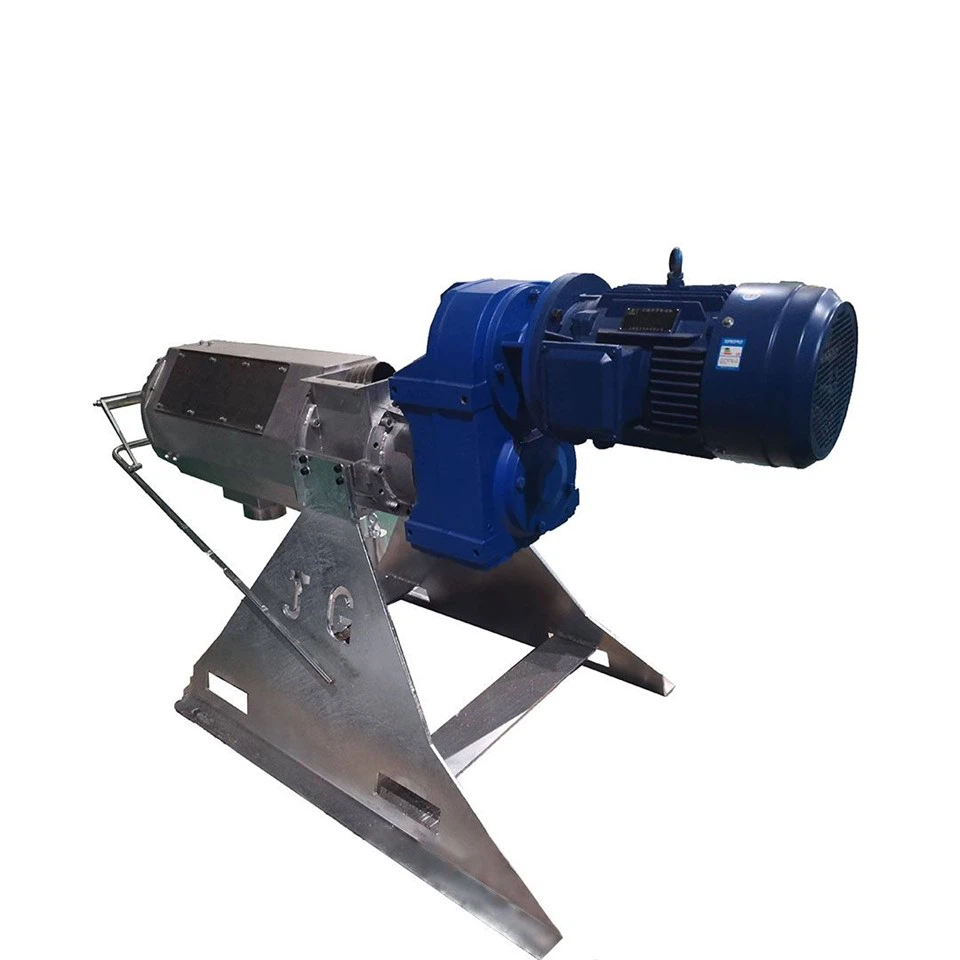
The Short Screen is ideal for applications where a quick initial separation is required. It has a relatively small surface area, which allows for a rapid passage of liquid through the screen. However, it may not be as effective in removing very fine particles.
On the other hand, the Long Screen provides a larger surface area for separation. This allows for a more thorough separation of solids from liquids, especially fine particles. The longer the screen, the more time the liquid has to pass through and the more solids can be captured. However, the trade - off is that the separation process may be slower compared to a short screen.
Feed Rate
The rate at which the mixture of solid and liquid is fed into the separator also affects its efficiency. If the feed rate is too high, the separator may not have enough time to separate the solids and liquids effectively. This can result in a higher solid content in the separated liquid and a wetter solid phase. Conversely, if the feed rate is too low, the separator may not be operating at its full capacity, leading to lower throughput and potentially higher energy consumption per unit of material processed.
Particle Size and Properties
The size and properties of the solid particles in the mixture play a significant role in the efficiency of separation. Larger particles are generally easier to separate than smaller ones. For very fine particles, additional measures such as flocculation may be required to agglomerate the particles and make them easier to capture by the separator. The shape, density, and surface properties of the particles also affect the separation process. For example, irregularly shaped particles may be more difficult to separate than spherical ones.
Our Solid Liquid Separator Offerings and Their Efficiency
We offer a wide range of solid liquid separators, each designed to meet the specific needs of different industries. One of our popular products is the 11kw Solid Liquid Separator.
This separator is known for its high - efficiency performance. It is equipped with an advanced screen design that allows for a quick and thorough separation of solids and liquids. The 11kW motor provides sufficient power to drive the separator at an optimal speed, ensuring a high throughput. At the same time, it is designed with energy - saving features, such as the VFD mentioned earlier, to reduce power consumption.
In addition to the 11kw separator, we also offer custom - designed solutions. We understand that each industry has unique requirements, and our team of experts can work closely with clients to design a separator that meets their specific needs. Whether it's a high - volume application in the mining industry or a precision separation task in the pharmaceutical industry, we can provide a solution that maximizes efficiency.
Measuring the Efficiency of Our Solid Liquid Separators
To ensure that our separators meet the highest standards of efficiency, we conduct rigorous testing during the manufacturing process. We measure the separation effectiveness by analyzing the solid content in the separated liquid and the moisture content of the separated solids. We also monitor the energy consumption of the separator under different operating conditions.
Our testing facilities are equipped with state - of - the - art instruments that can accurately measure these parameters. For example, we use laser particle analyzers to determine the particle size distribution in the separated liquid, and moisture analyzers to measure the moisture content of the solids. By continuously monitoring and improving the efficiency of our separators, we can provide our clients with products that deliver consistent performance.
The Impact of Efficient Solid Liquid Separators on Industries
Efficient solid liquid separators have a far - reaching impact on various industries. In the environmental sector, they play a crucial role in wastewater treatment. By effectively separating solids from sewage, these separators help to reduce the pollution load in water bodies. This not only protects the environment but also ensures the availability of clean water for various uses.
In the agricultural industry, solid liquid separators are used to separate manure into solid and liquid fractions. The solid fraction can be used as a high - quality fertilizer, while the liquid fraction can be further treated or used for irrigation. This not only reduces the environmental impact of manure disposal but also provides a valuable resource for farmers.
In the food and beverage industry, efficient separators are essential for maintaining product quality. By removing impurities from liquids, they ensure that the final products meet the strictest quality standards. This is particularly important in industries such as brewing and dairy, where product purity is directly related to consumer health and satisfaction.
Conclusion
Efficiency is the cornerstone of a high - performing solid liquid separator. It encompasses separation effectiveness, speed of separation, and energy consumption. As a supplier, we are committed to providing our clients with separators that offer the highest level of efficiency. Our range of products, including the Short Screen, 11kw Solid Liquid Separator, and Long Screen, are designed to meet the diverse needs of different industries.
If you are looking for a solid liquid separator that can maximize efficiency and meet your specific requirements, we invite you to contact us for a detailed discussion. Our team of experts is ready to assist you in selecting the right separator for your application and provide you with the best possible solution.
References
- Perry, R. H., & Green, D. W. (2008). Perry's Chemical Engineers' Handbook. McGraw - Hill.
- Metcalf & Eddy, Inc. (2014). Wastewater Engineering: Treatment and Reuse. McGraw - Hill.