




What is the load - bearing capacity of a moveable rod?
 Dec 10, 2025|
 What is the load - bearing capacity of a moveable rod?
As a supplier of moveable rods, I often get asked about the load - bearing capacity of our products. Understanding the load - bearing capacity of a moveable rod is crucial, especially when it comes to its application in various industries. In this blog, I will delve into the factors that influence the load - bearing capacity of a moveable rod and its importance in different settings.
Factors Affecting the Load - Bearing Capacity
Material Composition
The material from which a moveable rod is made is one of the most significant factors determining its load - bearing capacity. Common materials for moveable rods include steel, aluminum, and composite materials. Steel is known for its high strength and durability. It can withstand heavy loads and is often used in industrial applications where robustness is required. For example, in large - scale manufacturing plants, steel moveable rods are used in conveyor systems to transfer heavy items. The carbon content in steel also plays a role; higher carbon steel generally has greater strength but may be more brittle.
Aluminum, on the other hand, is lightweight and corrosion - resistant. It is a popular choice for applications where weight is a concern, such as in the aerospace industry. However, its load - bearing capacity is generally lower than that of steel. Composite materials, which are made by combining different materials, offer a balance between strength and weight. They can be engineered to have specific properties, making them suitable for a wide range of applications.
Rod Dimensions
The diameter and length of a moveable rod have a direct impact on its load - bearing capacity. A thicker rod can generally support more weight than a thinner one. This is because a larger cross - sectional area provides more material to resist the applied load. For instance, in construction projects, larger - diameter moveable rods are used in scaffolding to support the weight of workers and construction materials.
The length of the rod also matters. Longer rods are more likely to bend under a load compared to shorter ones. This is due to the increased leverage and the potential for deflection. When designing a structure using moveable rods, engineers need to carefully consider the length - to - diameter ratio to ensure that the rod can safely support the intended load.
Design and Construction
The design of the moveable rod, including its shape and the way it is constructed, can affect its load - bearing capacity. For example, a rod with a hollow design may be lighter while still maintaining a relatively high load - bearing capacity. This is because the hollow structure distributes the load more evenly across the cross - section.
The joints and connections of the moveable rod are also critical. A well - designed joint can transfer the load smoothly from one part of the rod to another, maximizing the overall load - bearing capacity. In contrast, a poorly designed joint may create stress concentrations, which can lead to premature failure of the rod.
Applications and Load - Bearing Requirements
Agricultural Applications
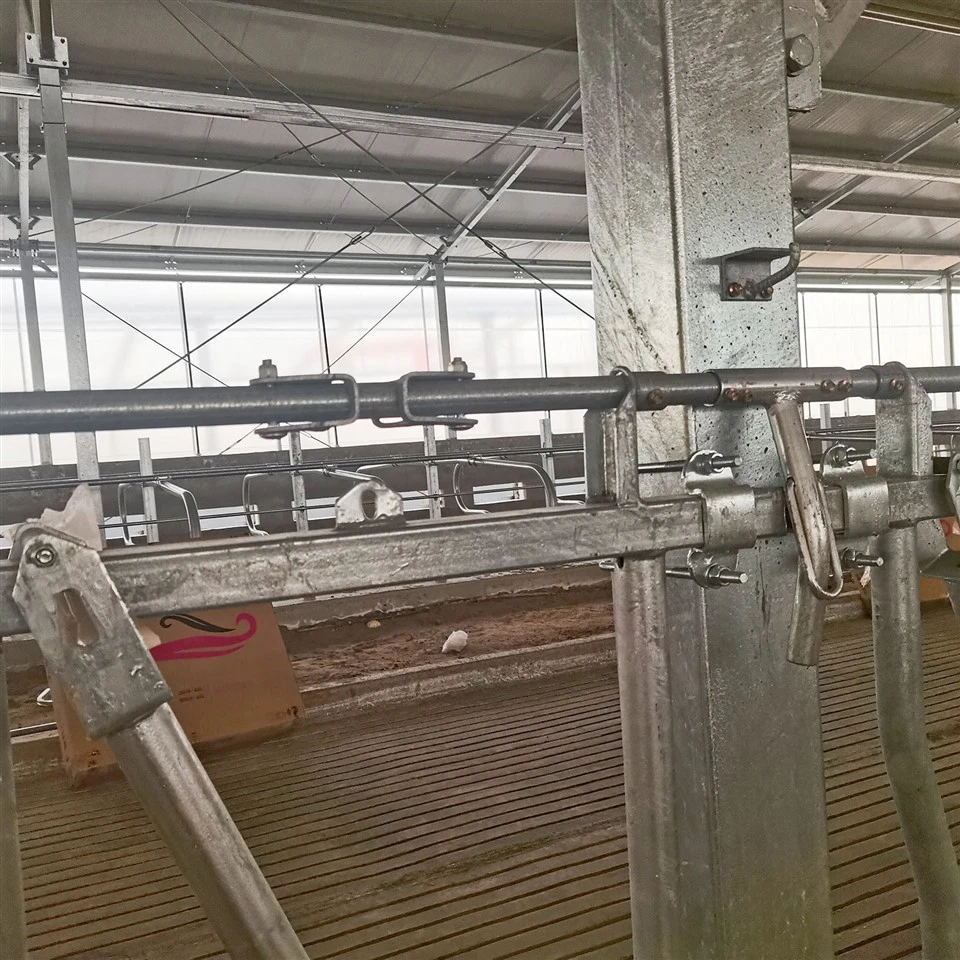
In the agricultural industry, moveable rods are used in various equipment, such as Cow Headlocks. These headlocks are designed to hold cows in place for veterinary treatment or milking. The load - bearing capacity of the moveable rods used in cow headlocks needs to be sufficient to withstand the force exerted by the cows. For example, the 500mm Calf Headlock and 600mm Cow Neck Clamp require moveable rods that can handle the pulling and pushing forces of the animals without breaking or deforming.
Industrial Applications
In industrial settings, moveable rods are used in machinery and equipment. For example, in manufacturing plants, they are used in robotic arms to perform various tasks. The load - bearing capacity of the moveable rods in robotic arms needs to be carefully calculated to ensure that they can handle the weight of the tools and the objects being manipulated. In conveyor systems, moveable rods are used to support and move heavy products along the production line. The rods must be able to withstand the continuous load and the dynamic forces associated with the movement of the products.
Construction Applications
In construction, moveable rods are used in scaffolding, formwork, and other temporary structures. The load - bearing capacity of these rods is crucial for the safety of the workers and the stability of the structure. For example, in high - rise construction, moveable rods are used to support the formwork for concrete pouring. The rods must be able to support the weight of the wet concrete, as well as any additional loads from workers and equipment.
Testing and Certification
To ensure the safety and reliability of moveable rods, it is essential to conduct load - bearing capacity testing. This involves applying a known load to the rod and measuring its response, such as deflection and stress. There are various testing methods available, including static testing and dynamic testing.
Static testing involves applying a constant load to the rod until it reaches its maximum capacity or fails. Dynamic testing, on the other hand, simulates real - world conditions by applying varying loads over time. This type of testing is more realistic and can provide a better understanding of how the rod will perform in actual use.
Certification is also an important aspect. Many industries require moveable rods to meet certain standards and regulations. For example, in the construction industry, rods must comply with building codes to ensure the safety of the structures. Certification bodies test and verify that the rods meet the specified load - bearing capacity and other performance criteria.
Importance of Choosing the Right Load - Bearing Capacity
Choosing the right load - bearing capacity for a moveable rod is crucial for several reasons. Firstly, it ensures the safety of the users and the integrity of the structure or equipment. If a rod has a lower load - bearing capacity than required, it may fail under the applied load, leading to accidents and damage.
Secondly, it can improve the efficiency and performance of the system. A rod with the appropriate load - bearing capacity can operate smoothly without excessive deflection or deformation, which can reduce wear and tear and increase the lifespan of the equipment.
Finally, it can save costs in the long run. While a rod with a higher load - bearing capacity may be more expensive initially, it can prevent costly repairs and replacements due to premature failure.
Conclusion
In conclusion, the load - bearing capacity of a moveable rod is determined by several factors, including material composition, rod dimensions, and design. Understanding these factors is essential for choosing the right rod for a specific application. Whether it is in agriculture, industry, or construction, the load - bearing capacity of moveable rods plays a crucial role in ensuring safety, efficiency, and cost - effectiveness.
If you are in need of moveable rods for your project, we are here to assist you. Our team of experts can help you select the moveable rods with the appropriate load - bearing capacity based on your specific requirements. Contact us to start a procurement discussion and find the best solution for your needs.

References
- "Materials Science and Engineering: An Introduction" by William D. Callister Jr. and David G. Rethwisch
- "Structural Engineering Handbook" edited by S. C. Gupta
- Industry standards and guidelines related to moveable rods in different sectors.