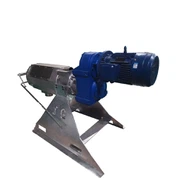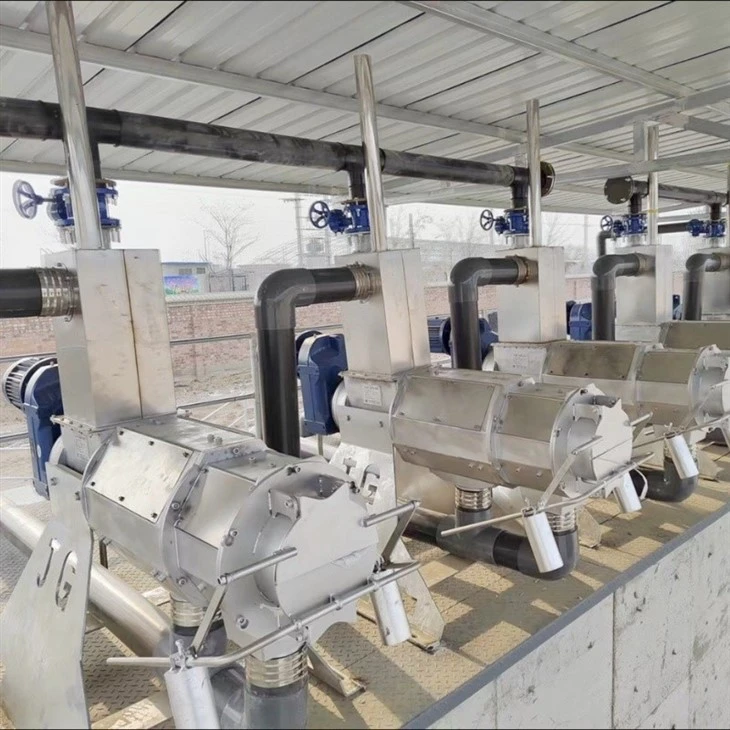


7.5kw Spiral Press Separator
Solid liquid separation is the fundamental step in fecal treatment, which separates solids and liquids in feces through mechanical means.

- Product Introduction
1, Core technologies and methods for treating livestock manure
Solid liquid separation technology
Solid liquid separation is the fundamental step in fecal treatment, which separates solids and liquids in feces through mechanical means. Common equipment includes spiral extruders (with a processing capacity of 2-3m ³/h and a solid moisture content of 50-60% after processing), centrifuges, and inclined plate sieves. The separated solid portion can be used for composting or making organic fertilizers, while the liquid portion is further processed. Large dairy farms in Germany and the Netherlands commonly use this technology, which can significantly reduce the difficulty of subsequent processing.

Biological processing technology
Anaerobic fermentation (biogas engineering): Under anaerobic conditions, microorganisms decompose organic matter to produce biogas (methane content 50-70%), with a treatment period of 15-30 days. More than 60% of pig farms in Denmark are equipped with biogas digesters, and California Dairy in the United States is injecting purified biogas into the natural gas pipeline network 413. Large scale biogas projects can simultaneously achieve energy recovery (power generation or heating) and pollution control, and biogas residue and slurry can be used as high-quality organic fertilizers.
Aerobic composting: Solid manure is converted into decomposed organic fertilizer through the action of aerobic microorganisms, with key control parameters including:
Carbon to nitrogen ratio (25-30:1)
Humidity (50-60%)
Temperature (to be maintained at 50-60 ℃ for at least 5-7 days)
The "membrane covered composting method" promoted in Japan can reduce odor and rainwater impact, while in China, strip stack or trough composting is commonly used.
natural treatment systems
Oxidation pond: Utilizing natural water bodies or artificial ponds to decompose organic matter through microorganisms, algae, and sunlight, suitable for areas with dry climate and sparse population. Australian pastures adopt a multi-stage oxidation pond system, which requires supporting anti-seepage measures to prevent groundwater pollution.
Artificial wetland: Purification of wastewater through plant roots (such as reeds and cattails) and substrate filtration. Dutch ecological farms use the treated manure for irrigation, with low construction costs but requiring a large land area.
Emerging processing technologies

Insect processing method: using black soldier flies, fly larvae and other insect larvae to decompose feces, converting them into insect protein (animal feed) and organic fertilizer. The application of chicken farms in California, USA shows that 1 ton of kitchen waste can produce 300 pounds of dried worms, with significant economic value.
Pyrolysis gasification: Under high temperature and oxygen deficient conditions, manure is converted into biochar and combustible gases, with a reduction rate of up to 90%. A pilot project in Canada has shown that biochar can effectively improve soil structure.
2, Fecal treatment schemes for farms of different scales
Solution for large-scale breeding farms
Large scale breeding farms (such as annual output of pigs ≥ 10000) usually adopt a full process processing system:
Collection and preprocessing:
Construct anti-seepage sewage tanks and manure storage areas
Using mechanical cleaning equipment such as scraper plates and conveyor belts
Solid liquid separation (spiral extruder processing capacity 2-3m ³/h)
Typical case:
Hubei Zhongxiang Muyuan Livestock Farm (annual output of 400000 heads): Water soaked manure process+black film biogas digester+pipe network returning to the field, equipped with inclined plate solid-liquid separator and submersible mixer
Hebei Huanghua Leyuan Animal Husbandry (4000 cows): Solid liquid separation+ultra-high temperature aerobic fermentation to produce bedding, liquid reuse for flushing
Economic Plan for Small and Medium sized Livestock Farms
Small and medium-sized breeding farms (such as those with less than 1000 live pigs in stock) should choose low-cost and easy to maintain solutions:
Dual pool alternating fermentation system:
Construct 2 plastic septic tanks (each ≥ 50m ³)
Add rapid fermentation agent for livestock and poultry manure (cost 1-3 yuan/m ³)
Fermentation can be completed within 7-15 days, and the product can be directly returned to the field
Artificial wetland combination process:
Sedimentation tank (for removing large particle impurities)
Anaerobic treatment tank (retention time ≥ 30 days)
Artificial wetland (purification by plants such as reeds and cattails)
Simple oxidation pond system:
Three ponds connected in series design (total volume ≥ 30 days of pollution production)
Used in conjunction with fecal water deodorizing fermentation agent
The final product is odorless liquid fertilizer
3, Five models of fecal resource utilization
1. Solid manure composting and cushion material reuse
Technical points: Aerobic fermentation should be maintained at 50-60 ℃ for 5-7 days, with a coliform count of ≤ 100 per gram
Application scenario: cow manure is used to make cow mattress material, with a reuse rate of up to 80%
2. Energy utilization of manure
Benefits of biogas engineering:
Each ton of pig manure produces 25-30m ³ of biogas
Power generation of 1.5-2kWh/m ³ biogas
Annual output of 10000 pigs and annual power generation income of about 400000 yuan for the pig farm
3. Full collection and returning to the field
Technical requirements:
Oxidation pond storage for ≥ 60 days
Pre application testing: Ascaris egg mortality rate ≥ 95%, fecal coliform count ≤ 1000/mL
Supporting professional fertilization equipment (such as tank trucks, spreaders)
4. Integrated cycle of planting and breeding
Typical case:
Guizhou Tongren Earthworm Breeding: Cattle Manure → Earthworms → Organic Fertilizer → Fruits and Vegetables, with an annual output of 4000 tons of organic fertilizer in a 150 acre demonstration park
The "cow biogas fruit" model: biogas is used for heating the farm area, and biogas slurry is used for drip irrigation of orchards, resulting in a 30% increase in comprehensive income


Company Introduction
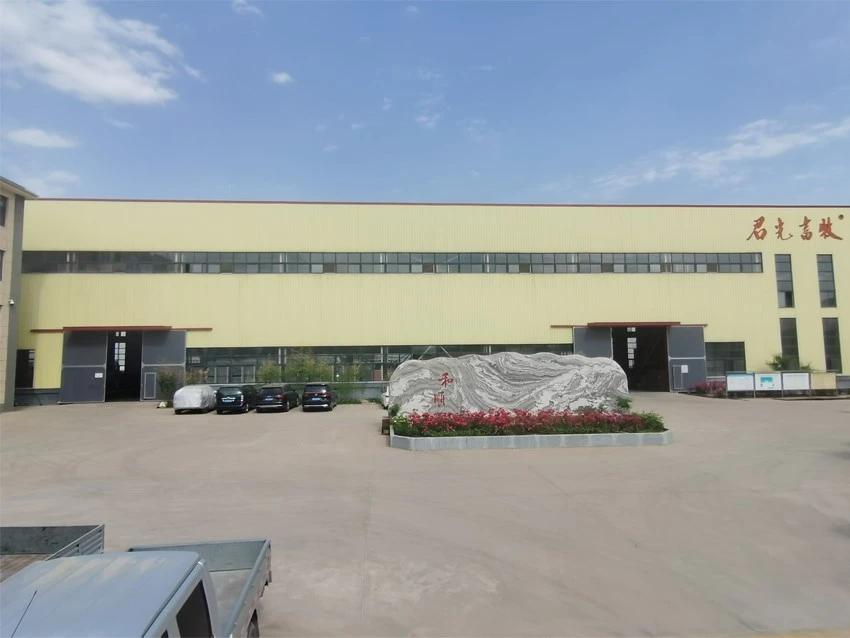
Hebei Junguang Animal Husbandry Technology Co., Ltd. is a high-tech enterprise specializing in modern pasture design, construction, production and sales of livestock breeding equipment. The company is located in Yi County Economic Development Zone, production workshop 9000 square meters, office complex building and ancillary facilities 3500 square meters. The company specializes in R & D, production of ranch supporting facilities and equipment. Product varieties cover the feeding class, environmental cooling class, manure treatment class, and other special equipment for the pasture, the company's products with cost-effective, good quality advantages to obtain the consistent praise and trust of the pasture.


Hot Tags: 7.5kw spiral press separator, China 7.5kw spiral press separator manufacturers, suppliers, factory, compatibility solid liquid separator, precipitation separation solid liquid separator, upgrades solid liquid separator, solid liquid interface solid liquid separator, sediment separation solid liquid separator, spare parts solid liquid separator